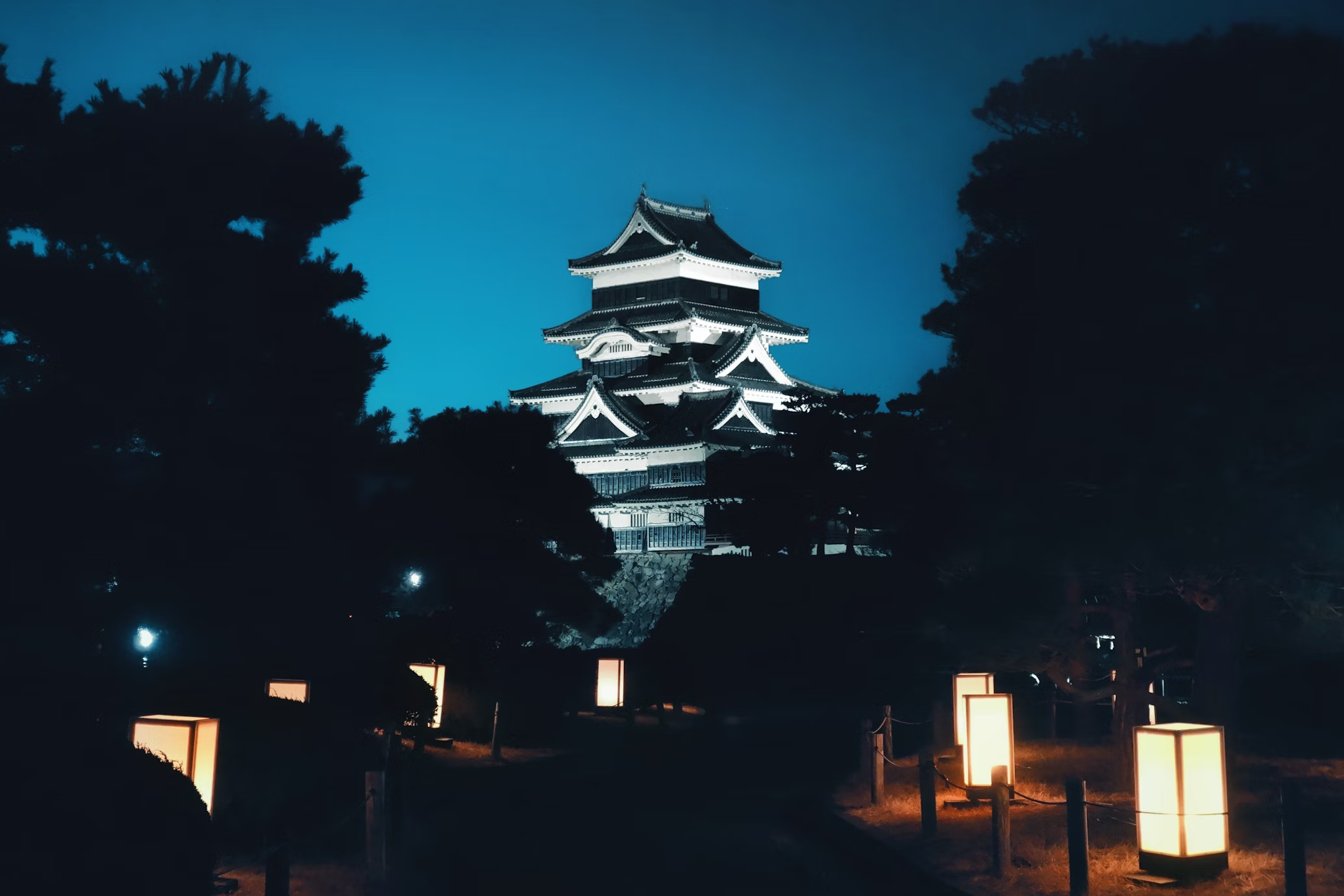
The Crow Castle: Matsumoto-jō
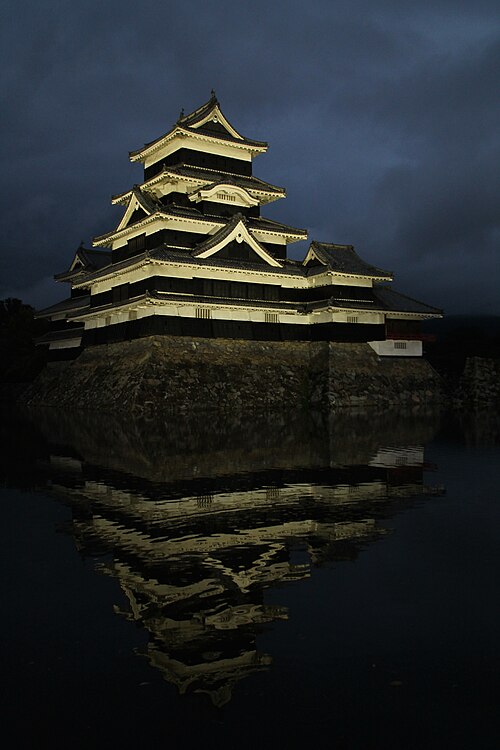
Published Dec 2025 . 8 min readIn the quiet basin of the Nagano Prefecture, framed by the jagged silhouettes of the Japanese Alps, stands a structure of profound monochromatic gravity. Known affectionately and formidable as the "Crow Castle" (Karasu-jō), Matsumoto Castle is one of Japan's premier historic castles. Unlike the brilliant white "Heron Castle" of Himeji, Matsumoto commands the landscape with a brooding, dark exterior—a masterpiece of both defensive military architecture and refined aesthetic elegance.
A Sentinel of Ancient Japan
Architectural Feats |
|
|
|
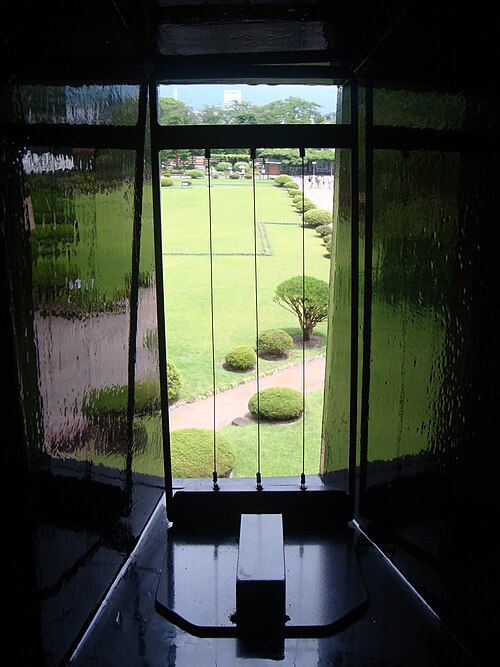
The castle's imposing donjon (main keep) showcases an architectural mastery that speaks volumes about the military and political environment of the period of warring states. Unlike many castles built later, Matsumoto-jō was constructed during a time when defense was paramount. Its strategic location, intricate moats, and thick walls highlight the ingenuity of the samurai builders. Walking the steep, wooden stairs inside the main keep, visitors can sense the weight of centuries-old history, feeling the presence of the daimyo and their retainers who once surveyed their domain from the narrow loopholes. The structure itself is a masterpiece of early Edo Period engineering.
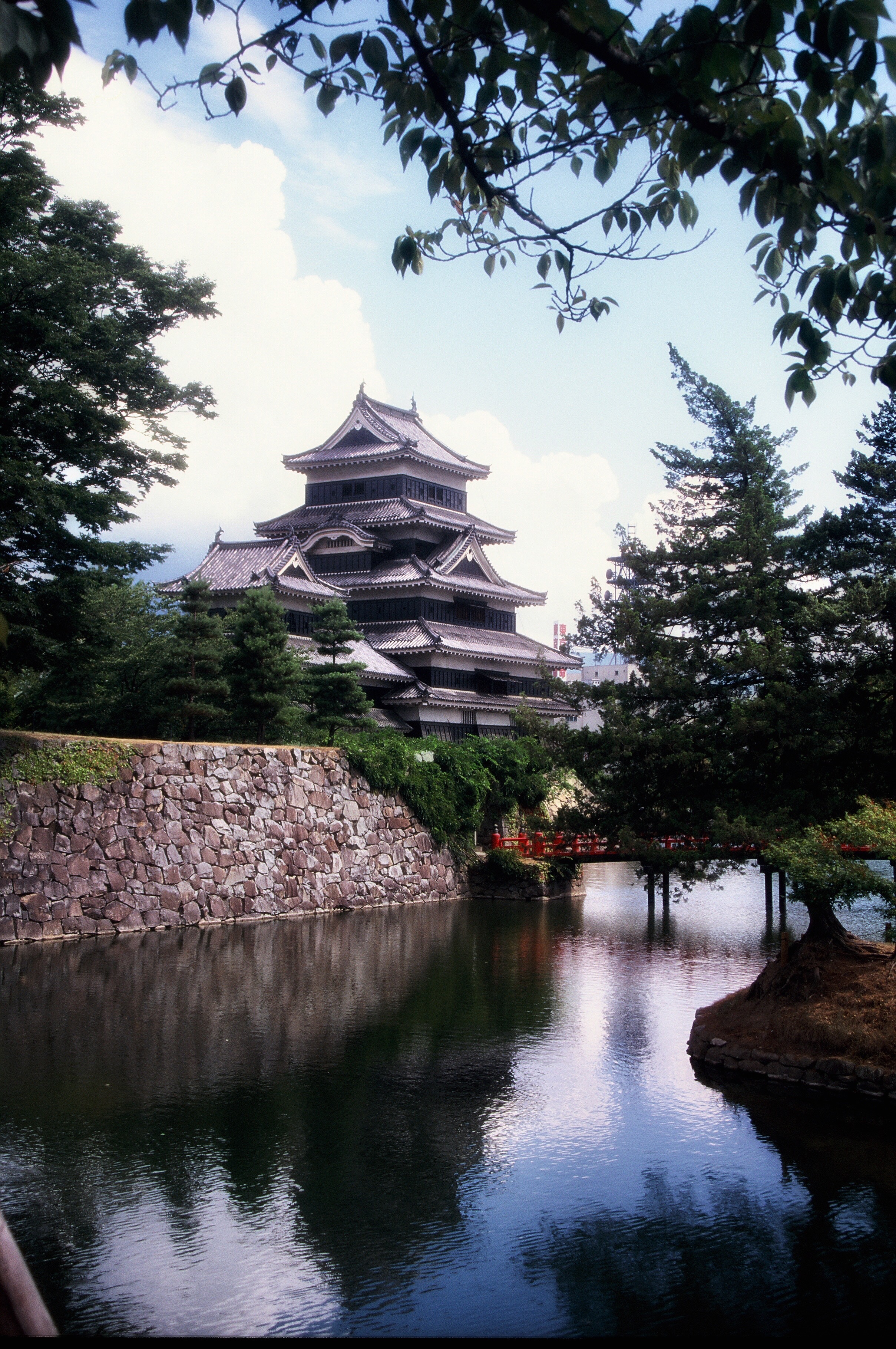
Built during the Eisho era (1504–1520), the castle's origins lie in a period of intense civil strife known as the Sengoku Jidai. It was originally constructed as Fukashi Castle by the Ogasawara clan. As power shifted between the Takeda and the Tokugawa, the castle evolved from a simple fort into the sophisticated "Hirajiro"—a castle built on a plain rather than a hilltop.
The structure we see today, with its unique five-layered, six-story wooden keep (Tenshu), remains one of the few original keeps in Japan. It survived the Meiji Restoration's push to dismantle the remnants of the shogunate, thanks to the local residents who rallied to purchase and preserve their heritage.
Where Winter's Embrace Meets Historical Grandeur
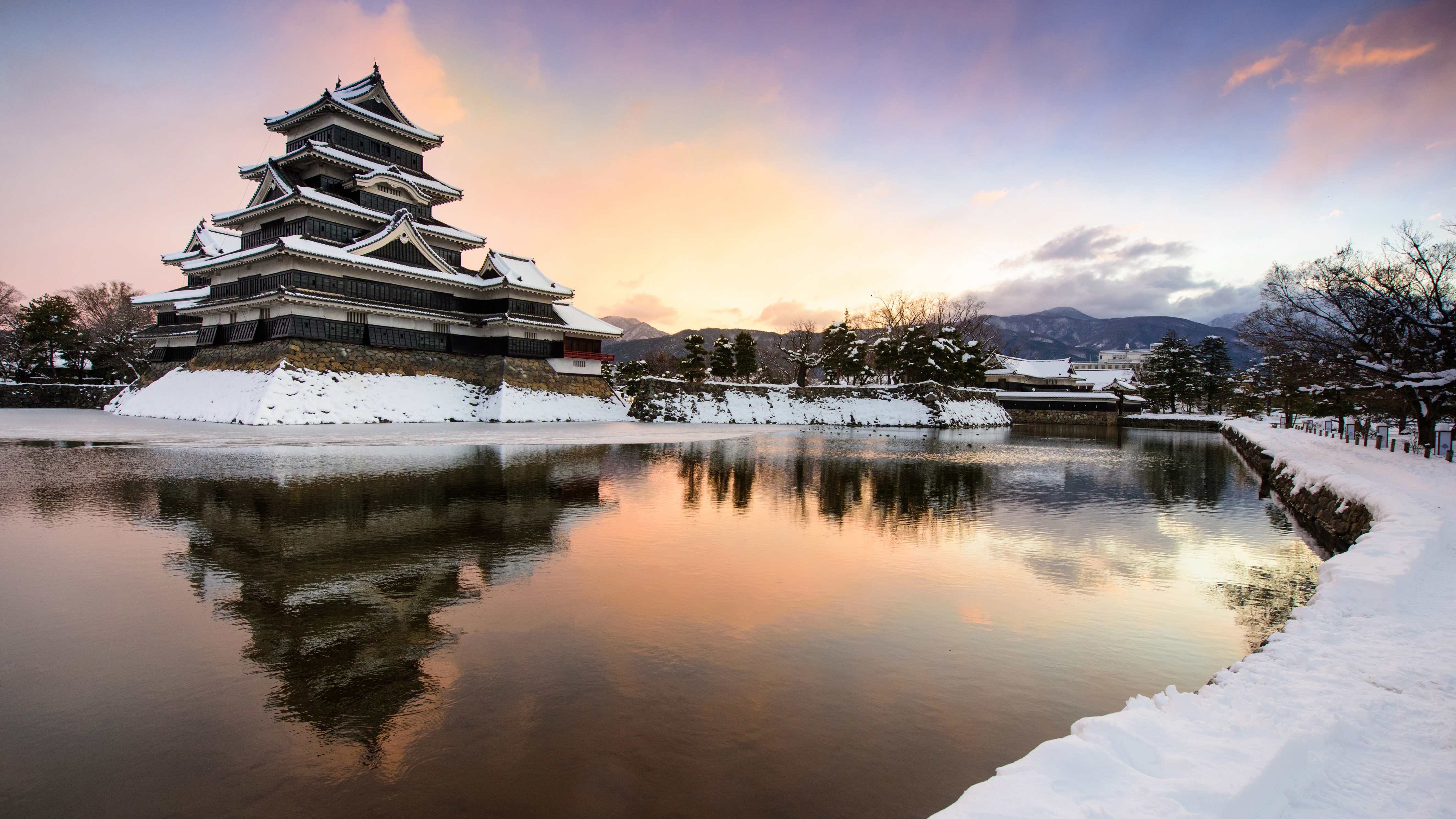
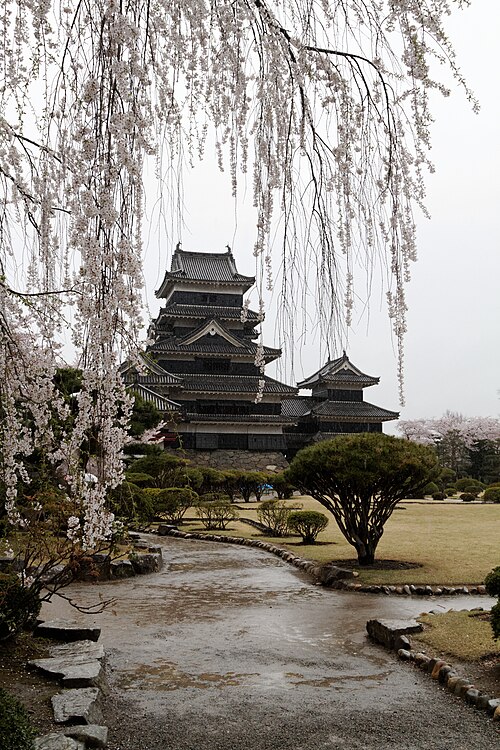
Matsumoto-jō takes on a particularly ethereal beauty during the colder months. When the surrounding gardens are dusted with a blanket of white—a spectacle the locals might refer to poetically as powdered diamond frost—the stark black-and-white contrast of the castle against the snowy landscape is breathtaking. This juxtaposition of the formidable fortress against the soft, transient beauty of winter blossoms creates an unforgettable scene, making it a prime destination for those seeking quiet reflection amidst natural beauty. The stark, dark walls seem to absorb the silent light of the sun on a bright winter day, offering an aesthetic experience that shifts dramatically with the changing seasons and light.
Preserving Heritage Through Human Skill
Beyond the main fortress, the surrounding city of Matsumoto is a hub for traditional Japanese culture and craftsmanship. The castle's preservation is a continuous process, relying on the skills passed down through generations. Near the castle grounds, visitors can explore Nakamachi and Nawate streets, which are dedicated to upholding local traditions. Here, the spirit of meticulous creation and skillful design thrives. From intricate lacquerware and pottery to fine textiles and woodworking, the area showcases the very best of inherited manual techniques. These vibrant demonstrations of human artistry and fabrication, often visible in small workshops and galleries, perfectly complement the historical narrative of the castle itself, illustrating how the heritage of the region is kept alive not just in stone, but in the hands of its people.
THE MASTER’S HAND | ||
WoodworkingConstructed without nails, the castle utilizes complex joinery (Kigumi) that allows the massive wooden pillars to flex during earthquakes. | LacqueringThe iconic black color comes from layers of natural urushi lacquer, hand-applied to preserve the wood from the harsh alpine moisture. | Stone Wall MasonryThe base utilizes 'Nozura-zumi' (natural stone piling), a technique where stones are fitted by their natural shape to ensure drainage. |
Today, Matsumoto Castle serves as more than a museum; it is a cultural touchstone. Visitors climbing the steep, 61-degree wooden stairs feel the polished grain of history beneath their feet. Every beam tells a story of craftsmen who saw no distinction between utility and beauty.
As the sun sets behind the Alps, casting long shadows across the inner moat, the Crow Castle remains a silent witness to centuries of change. It is a reminder that even in a world of glass and steel, there is an irreplaceable power in the hand-hewn, the time-worn, and the enduringly dark.

Trial
Credits
| Unsplash License |
| https://unsplash.com/license | |
| Anne Laure P | |
| https://unsplash.com/@byannel |
| CC BY-SA 3.0 |
| https://creativecommons.org/licenses/by-sa/3.0/ | |
| Knj ucsc | |
| https://en.wikipedia.org/wiki/User:Knj_ucsc |
| Vecteezy License |
| https://www.vecteezy.com/free-photos/adventure | |
| capixel | |
| https://www.vecteezy.com/members/capixel |
| Vecteezy License |
| https://www.vecteezy.com/free-photos/castle | |
| Dan Oberly | |
| https://www.vecteezy.com/members/dan-oberly366831 |
| Vecteezy License |
| https://www.vecteezy.com/free-photos/japan | |
| Ahmed Hedayet | |
| https://www.vecteezy.com/members/thevelvetmuseshop587138 |
| CC BY-SA 2.0 |
| https://creativecommons.org/licenses/by-sa/2.0/ | |
| Kimon Berlin | |
| https://www.flickr.com/photos/kimon/ |
| CC BY 2.0 |
| https://creativecommons.org/licenses/by/2.0/ | |
| foooomio | |
| https://www.flickr.com/photos/foooomio/ |
Join Our Sites

Just Nihon Travel is a specialized tourism service offering Muslim-friendly travel from Indonesia to Japan, providing customized itineraries with halal food, accommodations, beauty tours using halal-certified products, medical tours with top hospitals, special arrangements for Muslim women ensuring privacy and modesty, anime cosplay tours, English and Indonesian-speaking guides, prayer facilities with on-time prayer arrangements, and immersive experiences like a one-day sushi-making course.